
Red Sox Owner John Henry's biggest asset? Asses in seats.
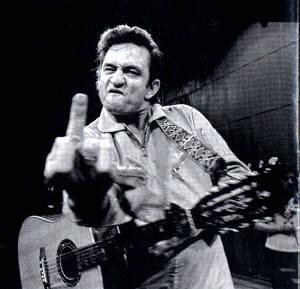
Since the Boston Red Sox lifted the World Series trophy in 2018, fans have been waiting for the team to return to its winning ways. Instead, what they've witnessed is a series of missteps, questionable decisions, and a clear shift in priorities from championship glory to maximizing revenue. The man at the center of this transformation is owner John Henry, whose reluctance to invest heavily in players has turned Fenway Park into more of a cash cow than a fortress of baseball excellence.
Ownership’s Reluctance to Spend
After 2018, the Red Sox ownership seemed content to rest on their laurels. Instead of doubling down on building a team that could compete year after year, John Henry and his group dialed back spending. The message was clear: winning was no longer the top priority. Instead, the focus shifted to squeezing every dollar out of ticket sales, concessions, and merchandise.
This reluctance to spend on top-tier talent has been painfully obvious. While other teams aggressively pursued free agents and made bold trades, the Red Sox front office often hesitated or settled for less. The result? A roster that lacks the star power and depth needed to make a serious postseason run.
Front Office Follies
The revolving door of front office executives since 2018 has done little to stabilize the team’s fortunes. The Red Sox have hired and fired several key figures, including general managers and presidents of baseball operations, each promising a new direction but ultimately delivering disappointment.
Dave Dombrowski’s departure in 2019 left a vacuum. His aggressive style was replaced by more cautious leadership.
Chaim Bloom’s tenure saw some smart moves but also puzzling decisions, like letting go of fan favorites and failing to secure impactful free agents.
The constant changes created instability, making it hard for the team to build a cohesive strategy.
This instability reflects a lack of clear vision from ownership. Instead of backing their front office with resources and time, Henry seemed quick to pull the plug when results didn’t come fast enough.
Fenway Park as an ATM Machine
Fenway Park is one of the most iconic ballparks in baseball, but under John Henry’s ownership, it has increasingly become a venue designed to maximize revenue rather than fan experience or team success.
Ticket prices have soared, making it harder for average fans to attend games.
Luxury boxes and premium seating have expanded, catering to corporate clients and wealthy patrons.
Concessions and merchandise sales have been pushed aggressively, often at the expense of affordability.
Despite the team’s struggles on the field, the stands remain full. This is the real asset Henry values most: asses in seats. The loyal fan base continues to show up, providing a steady stream of income regardless of the product on the field.
The Impact on Team Performance
The consequences of these ownership choices are clear in the Red Sox’s performance since 2018:
The team missed the playoffs in 2019 and 2020.
In 2021 and 2022, they made the postseason but failed to advance far.
Injuries and lack of depth exposed the thinness of the roster.
The farm system, once a source of strength, has struggled to produce impact players consistently.
Fans have seen a shift from a team built to win to one built to generate revenue. The disconnect between ownership’s priorities and the fans’ desire for a competitive team has never been more obvious.
What Fans Want vs. What Ownership Delivers
Red Sox fans are among the most passionate in baseball. They expect a team that competes for championships every year. Instead, they get a product that feels like an afterthought to the business side of things.
Fans want aggressive moves to improve the roster.
They want stability in the front office and clear leadership.
They want Fenway Park to be a place where baseball excellence comes first, not just profits.
John Henry’s approach has shown that he values the steady income from ticket sales and corporate partnerships more than investing in a winning team. This strategy might keep the lights on and the cash flowing, but it risks alienating the very fans who fill those seats.
Or, pehaps, used to fill those seats.
No doubt Henry relishes the fact that the majority of those passing through his turnstiles each summer think that singing Sweet Caroline is the only reason to stay at the ballpark past the sixth inning. There is no question "Friendly Fenway" has become a destination for rival teams fans who want to spend a summer weekend in Boston.
But that suits Silent John just fine. Remember all he cares about are the asses in seats.
Comments